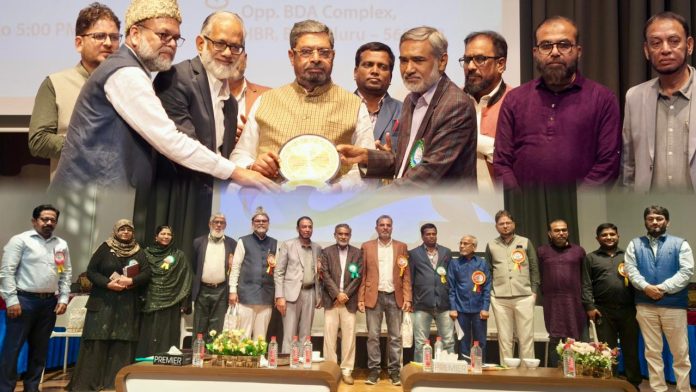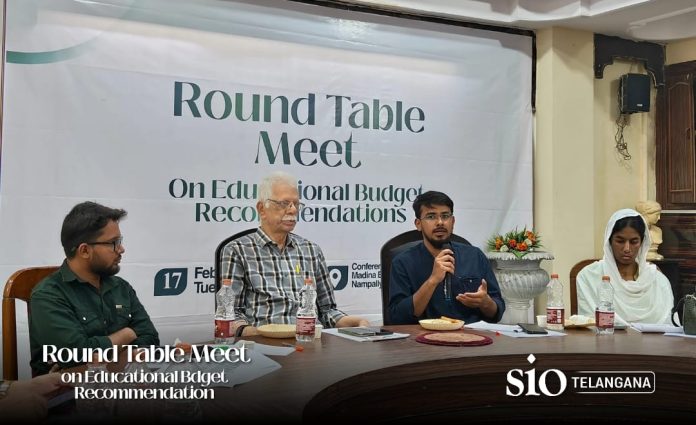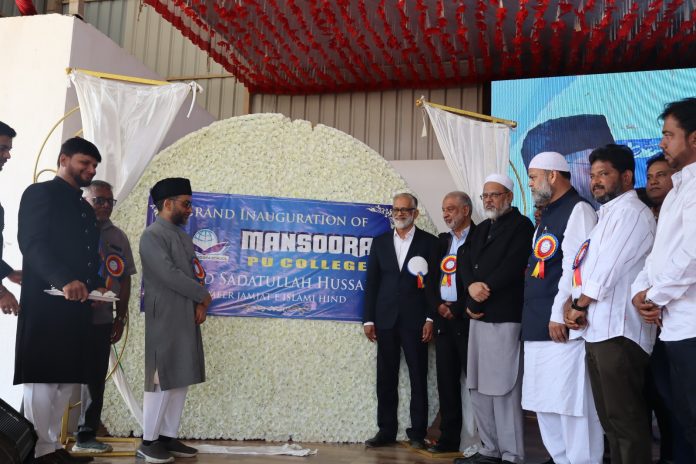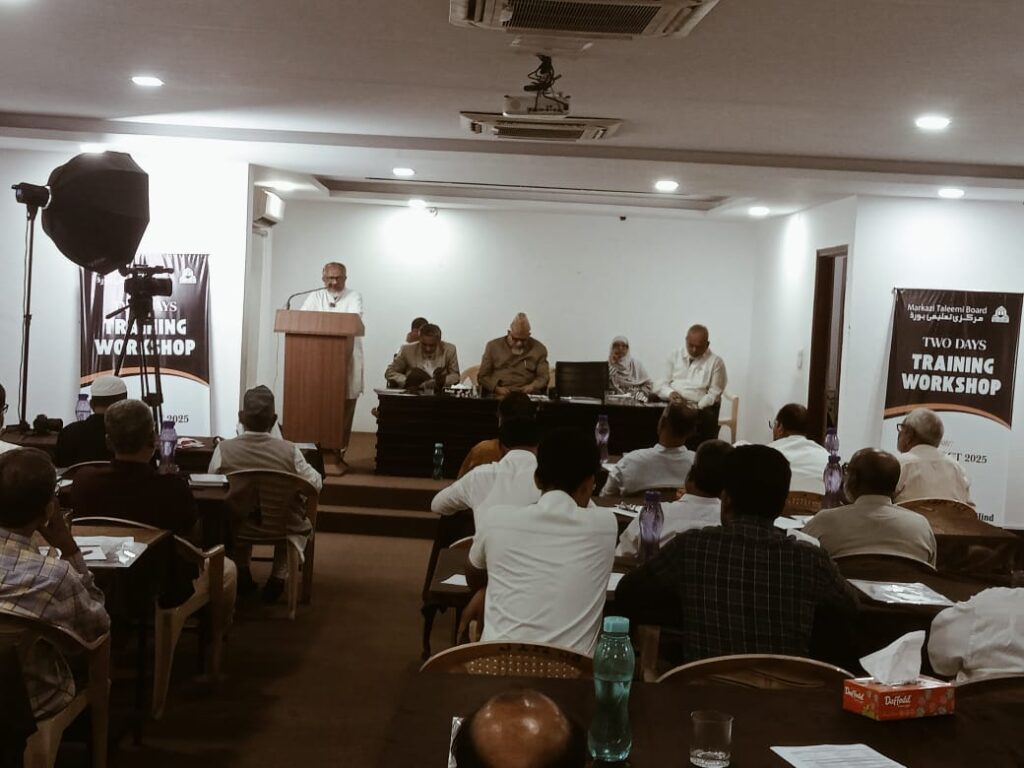
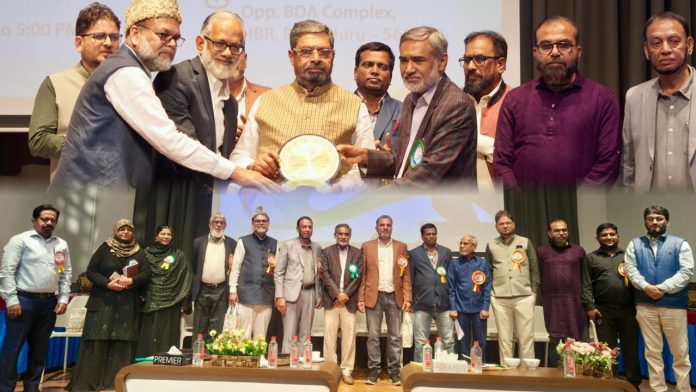
Bengaluru: The Federation of Minorities Educational Institutions (FMEI), Bangalore Chapter, successfully organised the School Leaders Award Conference 2026 on January 17 at Bearys Suhardha Bhavan here. The conference witnessed the participation of over 150 management leaders and eminent educationists representing Muslim educational institutions across Bengaluru.
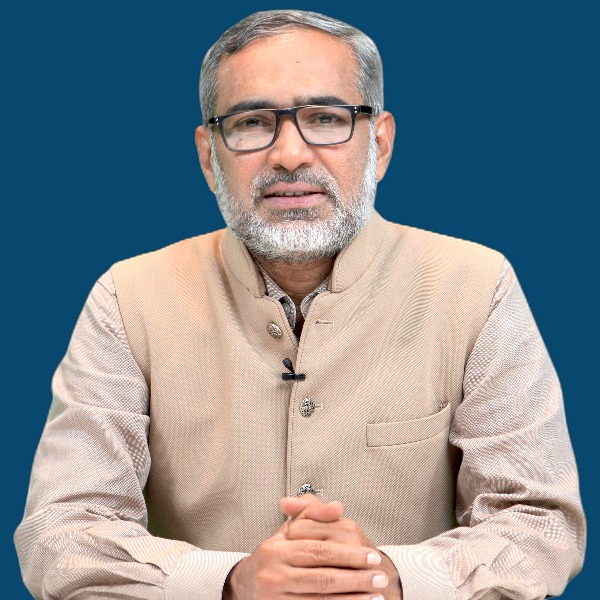
The Chief Guest, Mr. Naseer Ahmed, Member of Legislative Council (MLC) and Political Advisor to the Chief Minister of Karnataka, lauded the role of private unaided schools in delivering quality education despite limited resources. He stated that the consistent performance of these institutions reflects their discipline, dedication, and strong educational commitment. Congratulating FMEI, he observed that collective organisation of Muslim educational institutions enhances their political and social influence.
Presiding over the conference, Mr. Syed Tanveer Ahmed, senior educationist, emphasised that a strong collective platform enables Muslim educational institutions to assert their concerns more effectively at policy and governance levels. He urged institutions to rise above sectarian differences and focus on academic excellence, institutional growth, collective welfare, and social responsibility.
Delivering the keynote address, Mr. Muhammad Asifuddin, General Secretary, FMEI Karnataka Chapter, stated that the primary objective of the conference was to recognise and encourage the valuable services of Muslim educational institutions through awards, motivating them towards further progress. On the occasion, school leaders were felicitated with awards presented by the distinguished guests.
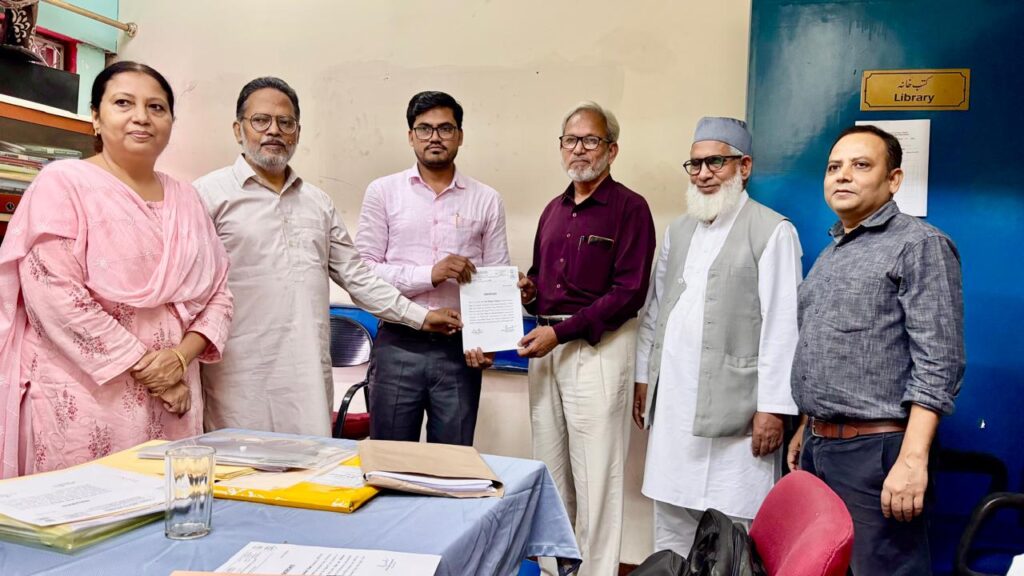
A memorandum highlighting key demands was submitted by FMEI through Mr. Naseer Ahmed to the Departments of Education and Minority Welfare. The memorandum included demands such as relaxation in renewal of school recognition, simplification of Minority Status Certificate issuance, enhancement of the Pre-Matric Scholarship budget to over 1000 crore rupees in the 2026–27 financial year, allocation of government land and infrastructure grants for Muslim schools, doubling of budgets for Post-Matric and Overseas Education schemes, and direct online submission of applications for Madrasa Modernisation without intermediaries. Mr. Naseer Ahmed assured that he would take up these issues with the Chief Minister and concerned ministers. The memorandum was also released to the media.
Addressing the gathering, Maulana Dr. Maqsood Imran Rashadi, Imam and Khateeb of City Jamia Masjid, Bengaluru, stressed that Muslim educational institutions must integrate moral and religious education alongside modern academics. Dr. Belgami Mohammed Saad, President, Mansurah Educational and Welfare Trust, highlighted that a holistic institution is one that nurtures knowledge, Islamic values, and character simultaneously.
Dr. Mohammad Taha Mateen, Trustee, Taqwa Educational Trust, underscored the importance of strong collective platforms, noting that FMEI serves as a credible and effective organisation to address educational, social, and policy-related challenges faced by Muslim institutions.
During the academic session, Dr. Benazir delivered an insightful PowerPoint presentation titled “Connecting Schools with the Community,” underlining the crucial role of schools in holistic community development.
Prominent members of the organising committee present included Mr. Iqbal Ahmed (President, FMEI Bengaluru), Mr. Haroon Basha (Secretary, FMEI), Mr. Riyaz Ahmed Ron, Syed Basharat Ahmed, Mr. Aslam Hekkari (Udupi), Maulana Abdul Ghaffar Hamid Umri, Mr. Atiq Pasha H, Mrs. Reshma Iqbal, Syed Ejaz, Syed Munir, Mr. Zulfiqar Ahmed, Dr. Zohaib Javed Khan, Mohammad Altaf Ahmed, and Mr. Iftikhar Sharif, among others.
The programme concluded with a vote of thanks by Dr. Fareeda Rahmatullah, expressing gratitude to the chief guest, dignitaries, delegates, education leaders, media professionals, and participants. The conference strongly reaffirmed that organised educational leadership is vital for social development and effective policy advocacy.