
By Mujahid.Md
Hyderabad: The Telangana Zone of Students Islamic Organisation of India (SIO) has urged the State government to enhance the budgetary allocation for minority education to ₹5,000 crore in the upcoming 2026–27 fiscal.
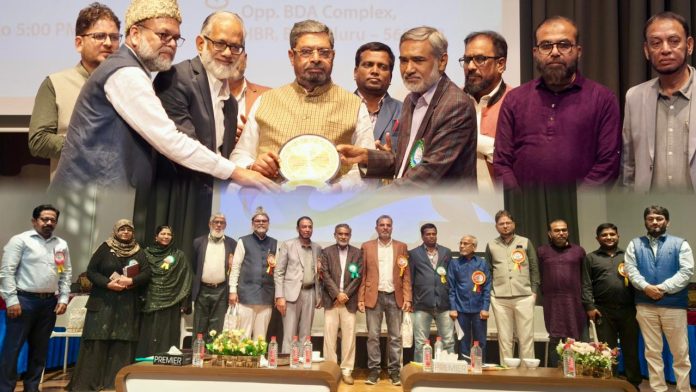
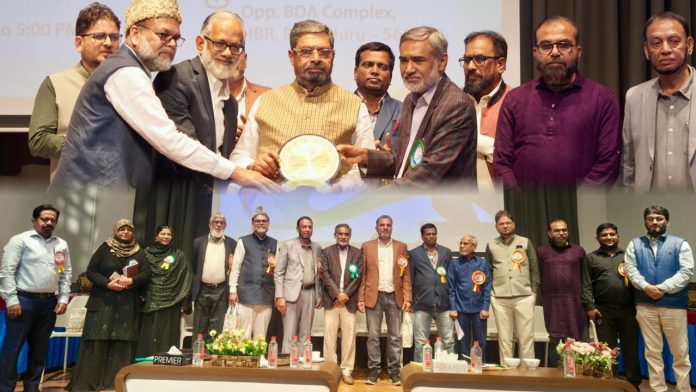
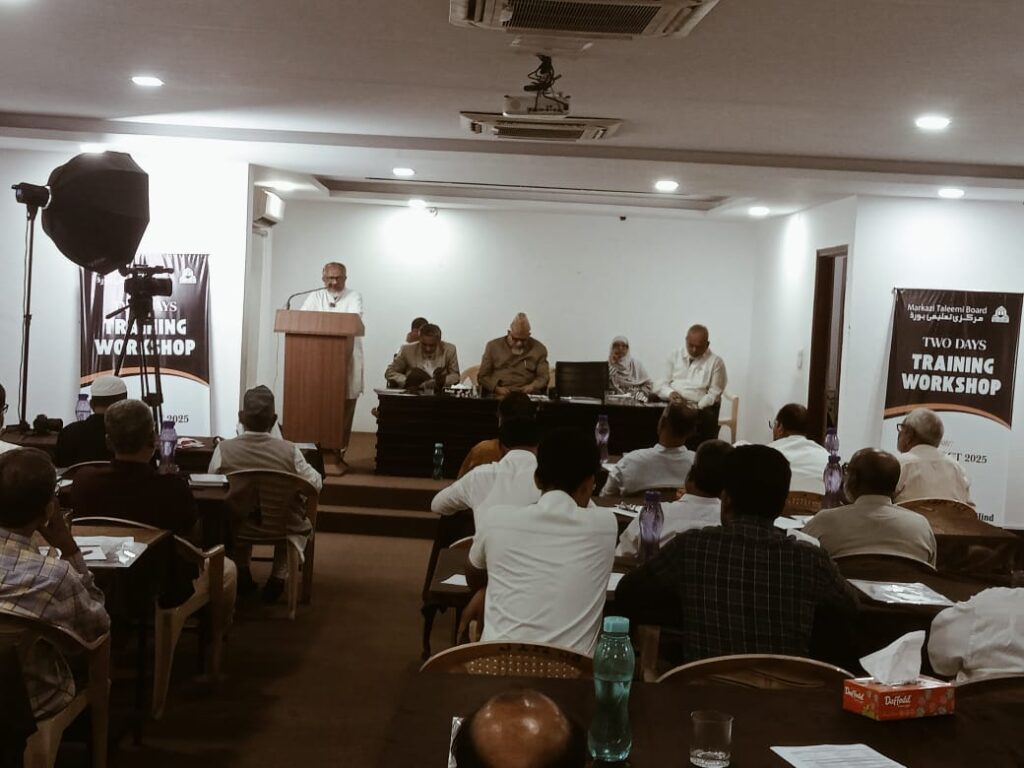
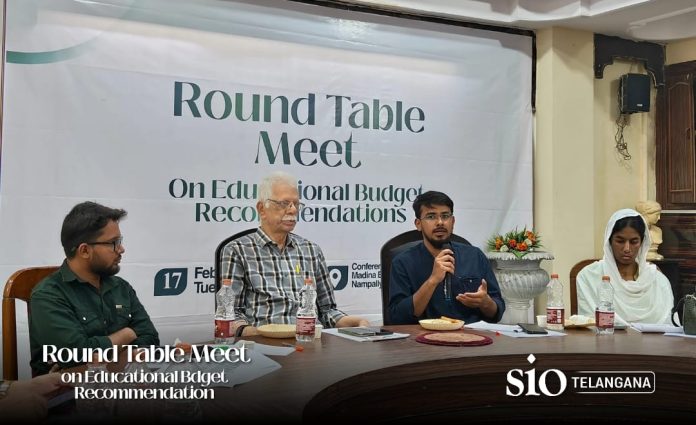
 At a round-table conference titled ‘Educational Budget Recommendations’ held at the Madina Education Centre in Nampally on Tuesday, educationists and policy experts underscored the need for strategic planning and transparent implementation of welfare schemes.
Presenting a comprehensive report titled ‘Education in Telangana: Status and Challenges,’ SIO Zonal Secretary Hafiz Hammaduddin highlighted critical infrastructure gaps and learning deficits in the State. The report drew on data from the Annual Status of Education Report (ASER), Young Lives, and UDISE+ to illustrate the current challenges.
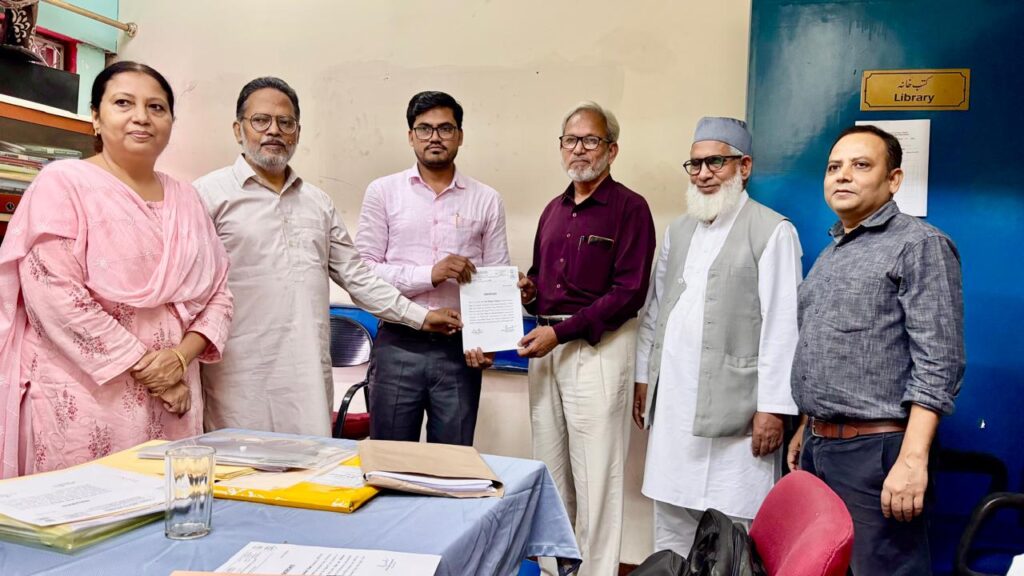
On the occasion, the organisation also released a research-based policy document, ‘Education in Telangana: Budget, Challenges and Suggestive Recommendations 2026–27,’ aimed at providing a roadmap for the State’s education sector.
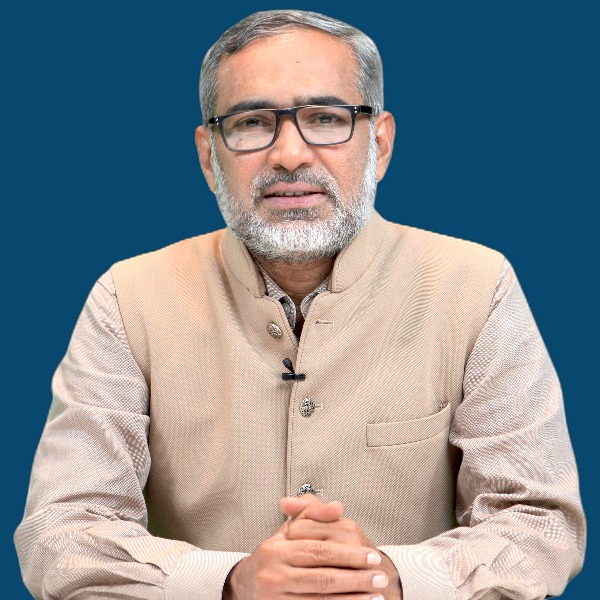
Addressing the gathering, Professor S.A. Shukoor emphasised that the current allocation of ₹3,000 crore is insufficient to meet the growing needs of minority students. “There is an urgent need to scale up the budget to ₹5,000 crore. However, mere allocation is not enough; we must demand a robust and transparent execution of these funds,” he said.
Former MLC Syed Aminul Hasan Jafri pointed out that the mismatch between budget outlays and actual spending often hinders progress. He called for a comprehensive assessment of fund utilisation mechanisms to ensure that the resources reach the intended beneficiaries effectively.
Concluding the session, SIO Telangana State president Faraz Ahmed stated that the organisation would consolidate the recommendations from the round-table and submit a formal memorandum to the State government. He asserted that the SIO would continue its advocacy for a “transparent, accountable, and inclusive” education budget.
The meeting saw the participation of several prominent figures, including Dr. Atif Ismail, Prof. Islamuddin Mujahid, Lubna Sarwath, and others, who deliberated on the socio-economic impacts of educational funding.