Ranchi, September 2026: A six-day visit to Jharkhand was undertaken by Maulana Inamullah Falahi and Inamul Haque Qasmi from September 12 to 17 to review the educational and administrative functioning of part-time maktabs, assess teaching practices and interact with teachers and local office-bearers. The visit was aimed at strengthening the quality and effectiveness of these educational centres through on-site assessment, guidance and consultation.
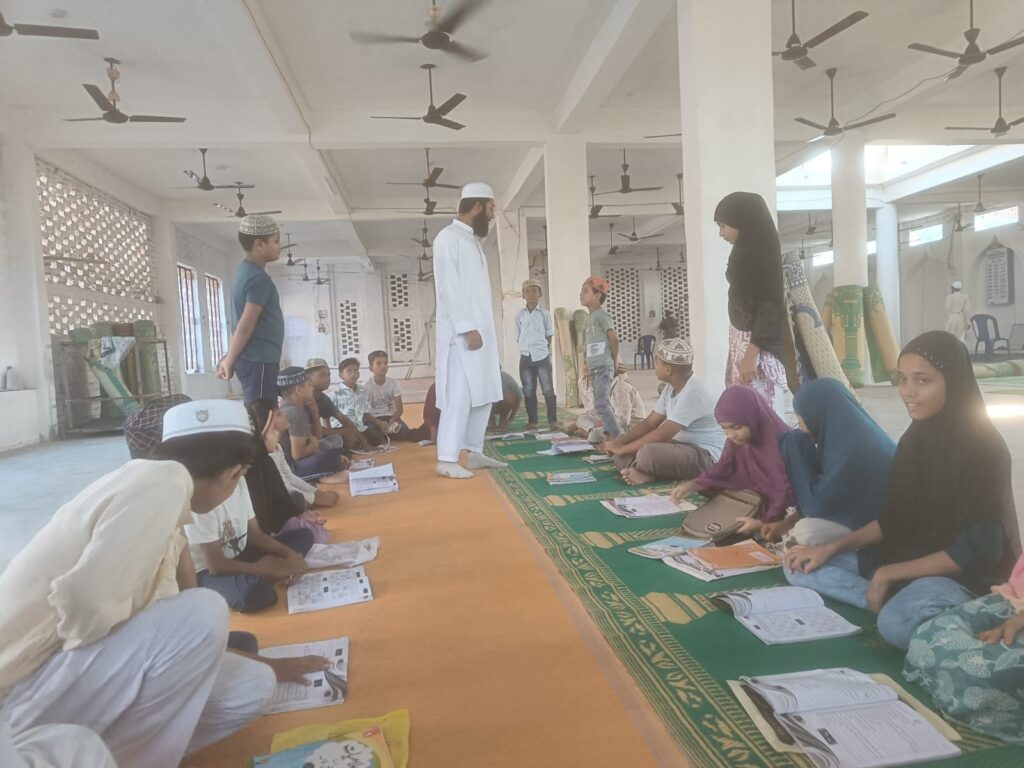
The team visited several maktabs, including those at Baragayin, Khizr Tola, Chakla and Cherudih, as well as Al-Manar Library in Hazaribagh. The team observed classroom activities, teaching methods and administrative arrangements and offered suggestions to teachers for improving the learning environment. Discussions with teachers and local functionaries focused on making education more meaningful, practical and participatory.
The team also visited Progressive Cum High School (Madrasa Faiz-e-Aam), Baragayin; Islamic Academy, Ramgarh; and Al-Huda Public High School, Banhā. Meetings with the heads of institutions and teaching staff covered teaching practices, academic standards and the overall development and training of students.
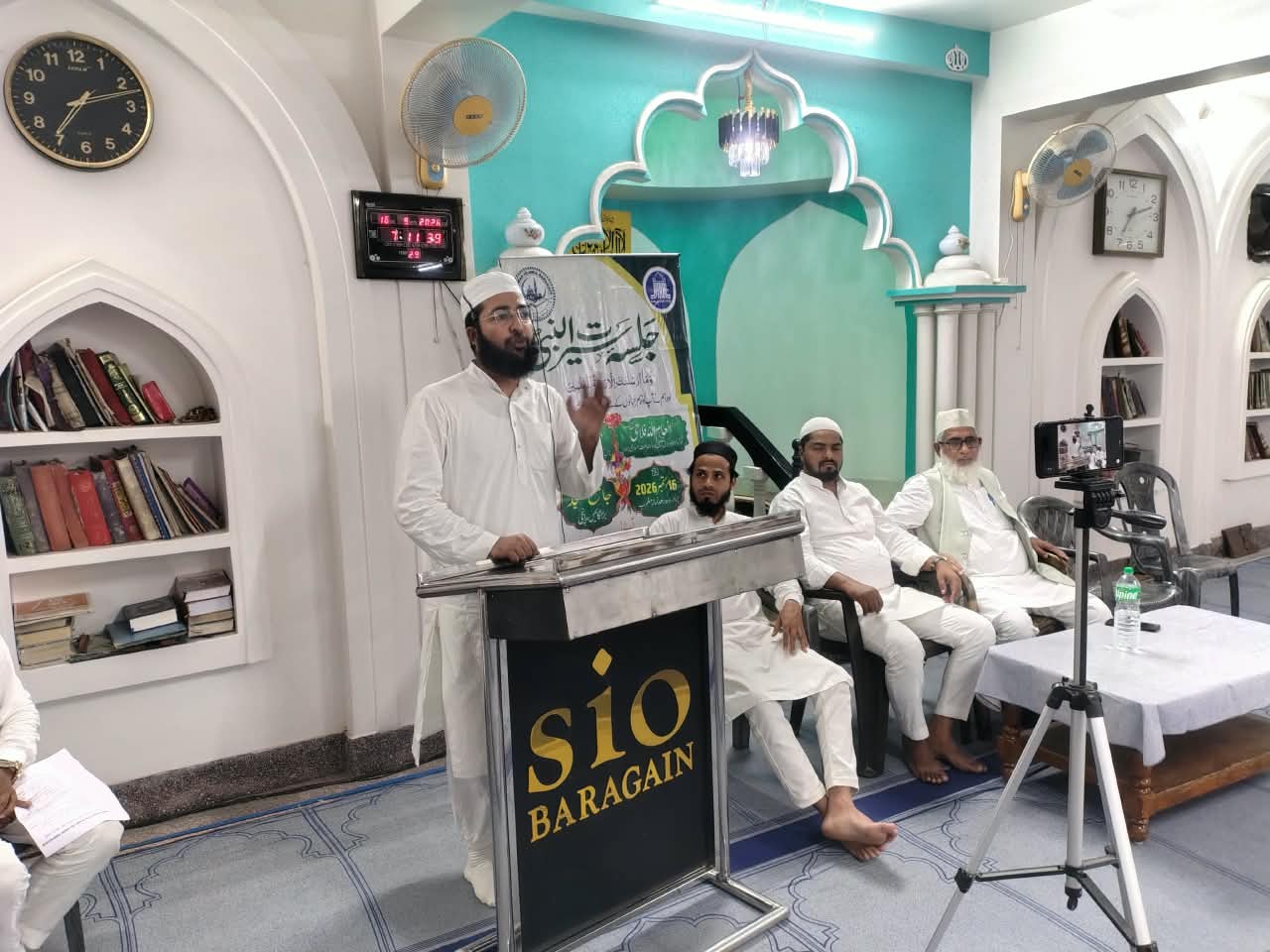
A public programme on the Seerah of Prophet Muhammad (peace be upon him) was organised at Jama Masjid, Baragayin. The programme highlighted the guiding and social dimensions of the Prophet’s life in the context of contemporary challenges and encouraged people to draw practical lessons from his teachings.
During the visit to Al-Manar Library, Hazaribagh, suggestions were offered on making the institution financially self-sustainable, exploring additional sources of income, preparing students for higher education and strengthening public engagement with the library. The team also met Jamaat workers at different locations.
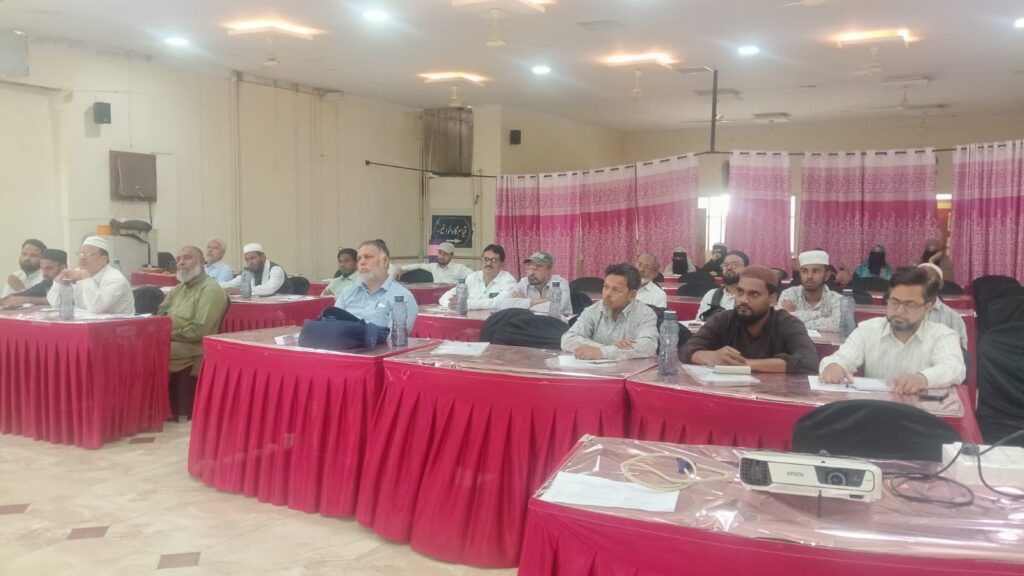
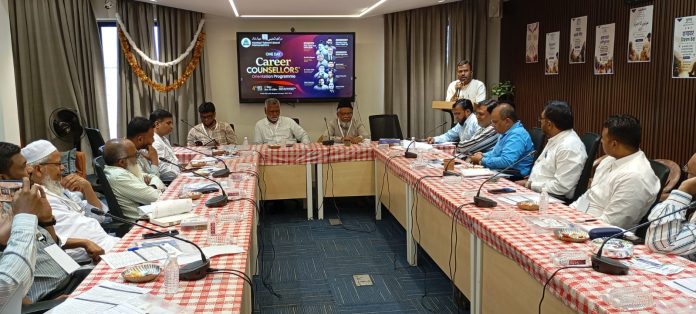
On the concluding day, a training and orientation programme for teachers was organised at Al-Manar Mosque, the Circle Office. Around 35 participants attended the programme, which focused on the objectives of part-time maktabs, the teaching of Islamic Studies, effective teaching methods and the educational and training responsibilities of teachers.
This was followed by a meeting with the Maktab Committee, where the objectives and working procedures of the maktabs were explained. Emphasis was laid on fulfilling assigned responsibilities and strengthening mutual cooperation to improve their functioning.
The team also held a meeting with office-bearers of the State Education Board. Maulana Inamullah Falahi shared the key observations from the visit, and discussions were held on the challenges faced by various institutions and possible solutions. The meeting also reviewed the progress, working methods and activities undertaken under the educational plan, along with future priorities.
The visit provided an opportunity to assess the functioning of part-time maktabs, guide teachers, strengthen coordination and discuss future plans. It also underlined the need for regular monitoring, continuous teacher training, consistent communication with local office-bearers and periodic assessment of educational performance to maintain and improve the quality of these centres.