Five-day visit focuses on improving teaching standards, training teachers and expanding the maktab network
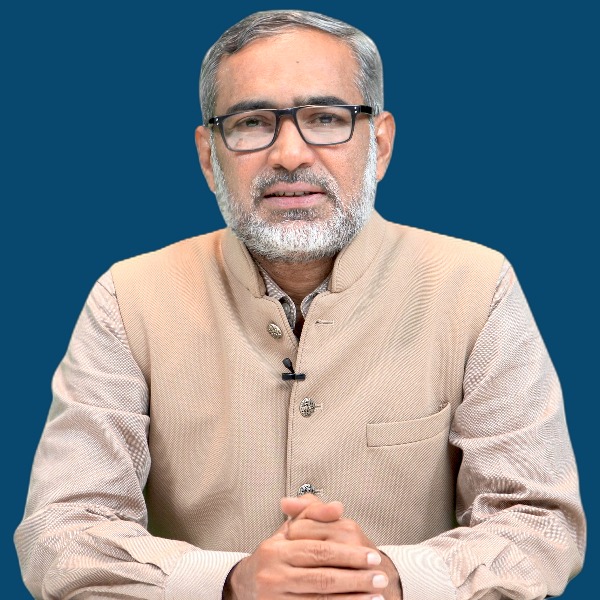
Lucknow, October 2026: The Markazi Taleemi Board of Jamaat-e-Islami Hind conducted a five-day review visit to Eastern Uttar Pradesh from September 28 to October 2, 2026, to assess the educational and administrative functioning of part-time maktabs and explore ways to strengthen their quality and outreach. The team comprised Maulana Inamullah Falahi, Central Coordinator for Part-time Maktabs, and Inamul Haque Qasmi. Maulana Muhammad Amjad Falahi, Full-time Circle Convener for Part-time Maktabs, accompanied the team throughout the visit.
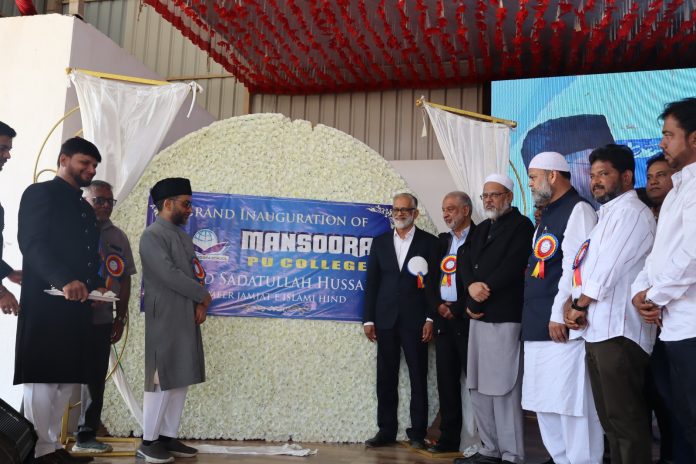
A key development during the visit was the inauguration of a new part-time maktab at Maulvi Ganj, Lucknow, where around 40 boys and girls are being taught by two teachers. The teachers were introduced to practical and group-based teaching methods, with a demonstration of classroom teaching using flashcards.
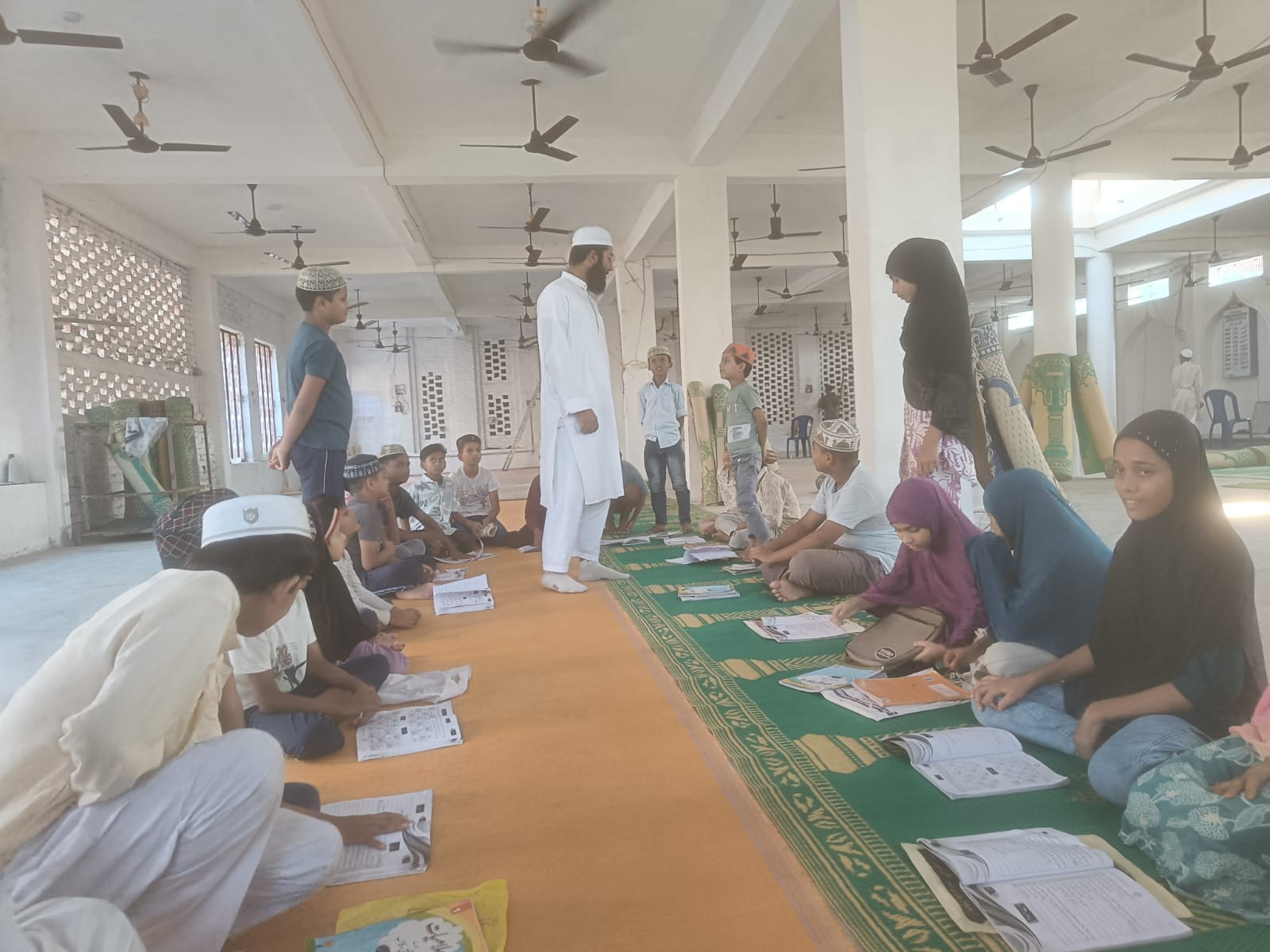
The team visited several maktabs in Lucknow, Barabanki, Rae Bareli and Deoria, including those at Jamia-tul-Iman, Bishanpur; Masjid Qamar, Fatehpur; Sara village, Salon, Rae Bareli; and Saleempur. The team observed classroom activities, reviewed teaching practices and interacted with teachers and local functionaries to identify areas for improvement.
At Jamia-tul-Iman, Bishanpur, which has around 120 students up to Class VIII, the team discussed ways to improve academic standards and encouraged teachers to adopt more practical teaching methods. Maulana Inamullah Falahi also guided the institution’s head, Parvez Ahmad Falahi, on the process of institutional registration and matters related to educational quality.
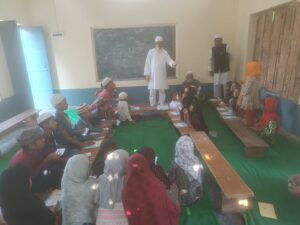
At the maktab in Sara village, around 70 students are enrolled and group-based teaching is already in practice. Discussions with Jamaat office-bearers, members and former SIO members focused on strengthening the educational standards of the maktab and expanding the organisation’s activities. Brother Khurshid, Zonal Secretary of SIO UP Central, emphasised the need to organise weekly JAC programmes for children. A separate interaction with those involved in running maktabs highlighted the importance of religious education and introduced them to the Islamic Studies curriculum. The visit also opened up the possibility of establishing another maktab at a new location.
At the maktab in Saleempur, which began functioning only two months ago, the team found the progress encouraging. Suggestions were made to address the shortage of books, improve attention to Tajweed and correct pronunciation, increase public awareness about the maktab and work towards financial self-reliance. The need for a uniform, school bags, identity cards and other administrative arrangements was also discussed.
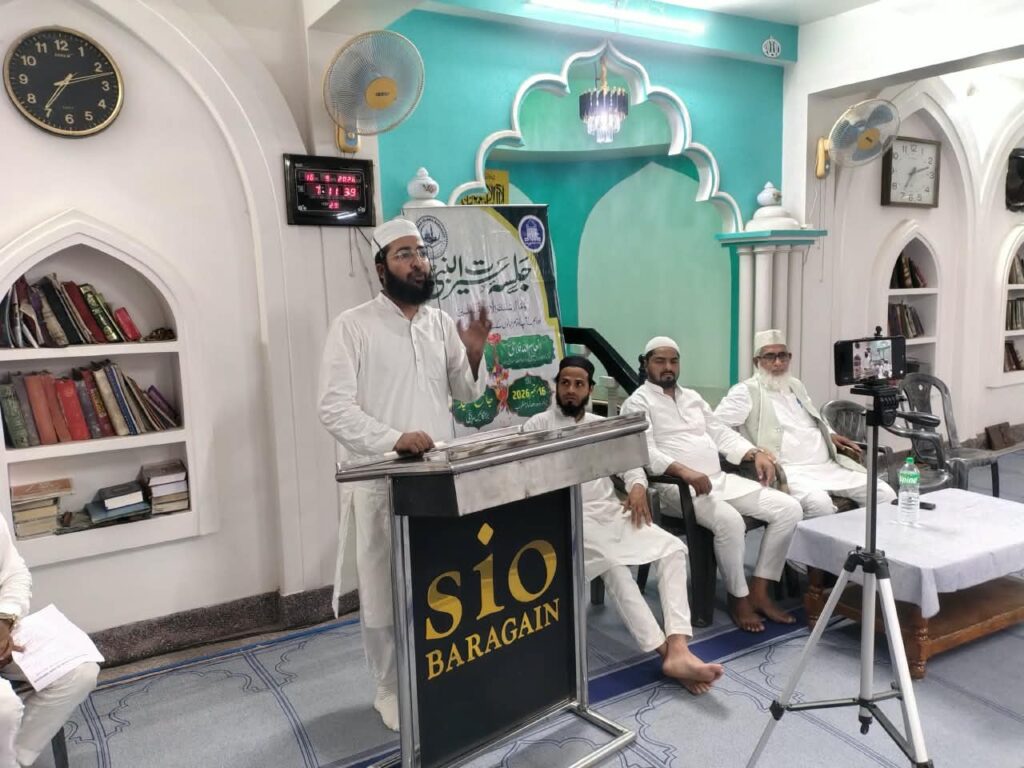
The team also held interactions with members and associates of the Students Islamic Organisation of India (SIO) at Bishanpur. Discussions covered the prevailing situation in the country, organisational responsibilities and the importance of preparing maktab students through JAC activities so that they may gradually develop a connection with SIO and the broader movement.
At the maktab run at Masjid Qamar, Fatehpur, the team recommended regular educational and character-building activities alongside classroom teaching. It also stressed the importance of encouraging children and involving their parents in such programmes.
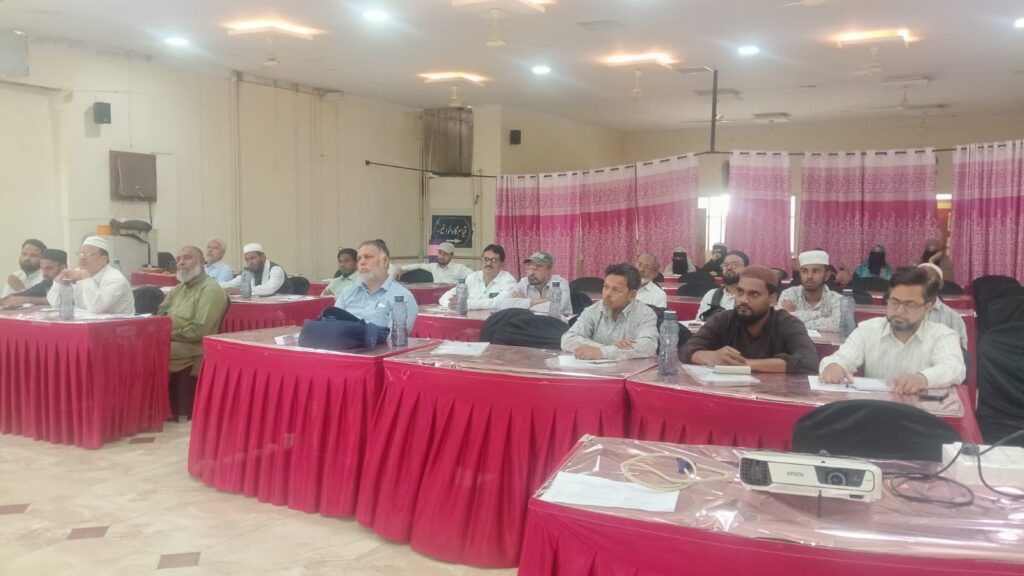
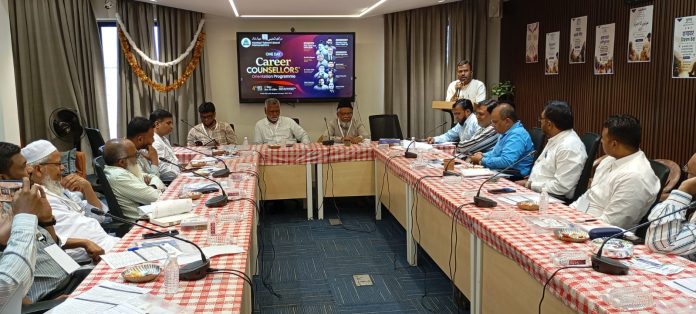
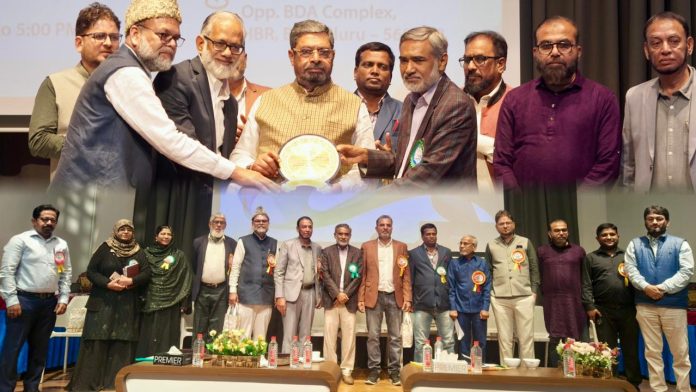
A meeting of central and circle-level office-bearers was held at the Circle Office in Maulvi Ganj, Lucknow, to review the current status of maktabs, progress made and future plans. Several measures were discussed, including the inclusion of local representatives in maktab committees, provision of books at subsidised rates, allocation of a separate budget at the circle level, preparation of an introductory folder, creation of WhatsApp groups for teachers and guardians, systematic documentation and gradual efforts towards financial self-reliance. The colour and design of the proposed uniform were also finalised.
The visit provided an opportunity to review the functioning of existing maktabs, guide teachers, encourage the establishment of new centres and strengthen coordination among local and central office-bearers. The discussions also helped identify practical steps for improving teaching standards, administration and the long-term sustainability of part-time maktabs.