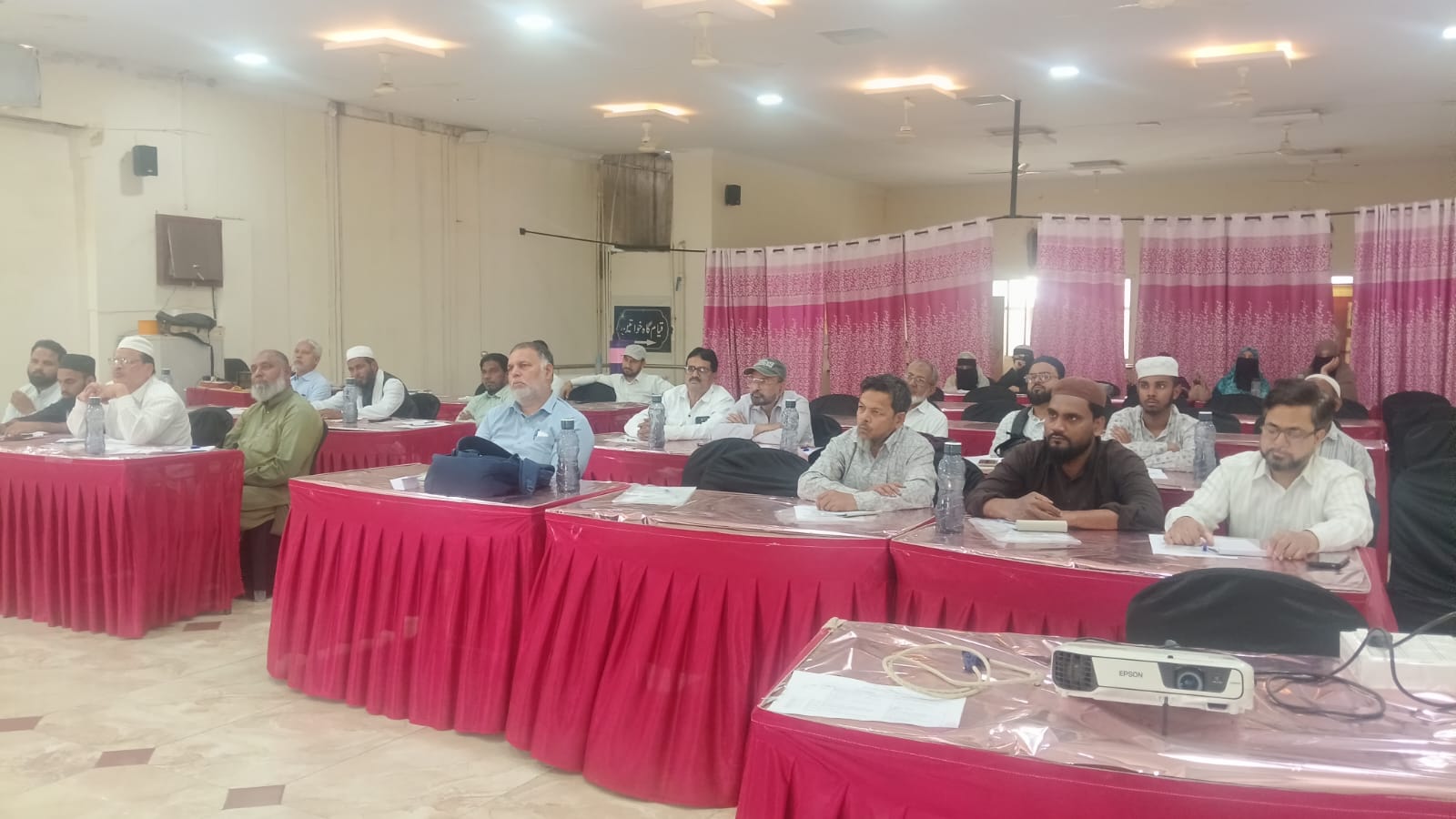
Bhopal, November 2026: The Markazi Taleemi Board of Jamaat-e-Islami Hind conducted a visit to Madhya Pradesh from October 29 to November 1, 2026, to review the functioning of part-time maktabs and explore measures to improve their educational and administrative standards. The visit included classroom observations, interactions with teachers and local office-bearers, and a teachers’ training workshop attended by around 40 participants from different parts of the state.
The team comprised Maulana Inamullah Falahi, Coordinator for Curriculum and Maktabs, Markazi Taleemi Board, and Inamul Haque Qasmi. Ghulam Sabir, Full-time Circle Convener for Part-time Maktabs, accompanied the team throughout the visit.
On the first day, the team visited Darsgah Islami Higher Secondary School, Jabalpur, established in 1984. The institution has around 1,000 students, with multiple sections in some classes. The team observed classroom activities and interacted with teachers and members of the school management. While appreciating the institution’s active educational and administrative system, the team emphasised the need to encourage students to express their thoughts confidently through question-answer sessions and classroom activities.
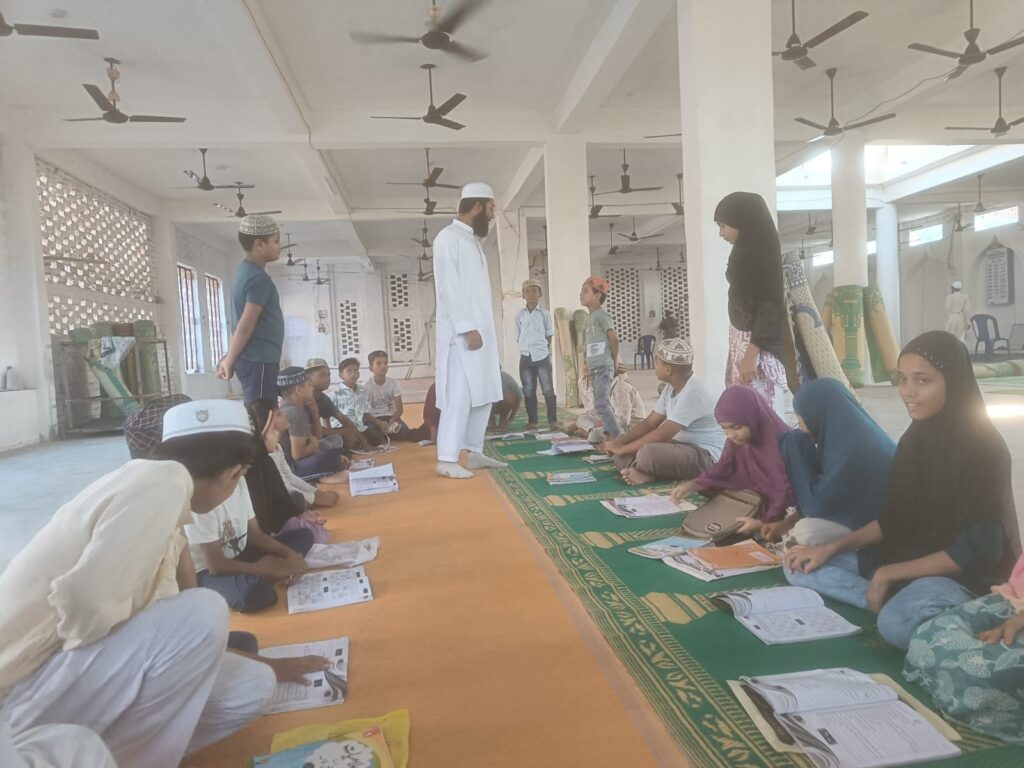
The team also visited the maktab at Huda Mosque, where teachers were given practical guidance on teaching methods. Particular attention was drawn to the correct pronunciation of Arabic letters and the need to adopt a collective teaching approach, especially for Islamic Studies.
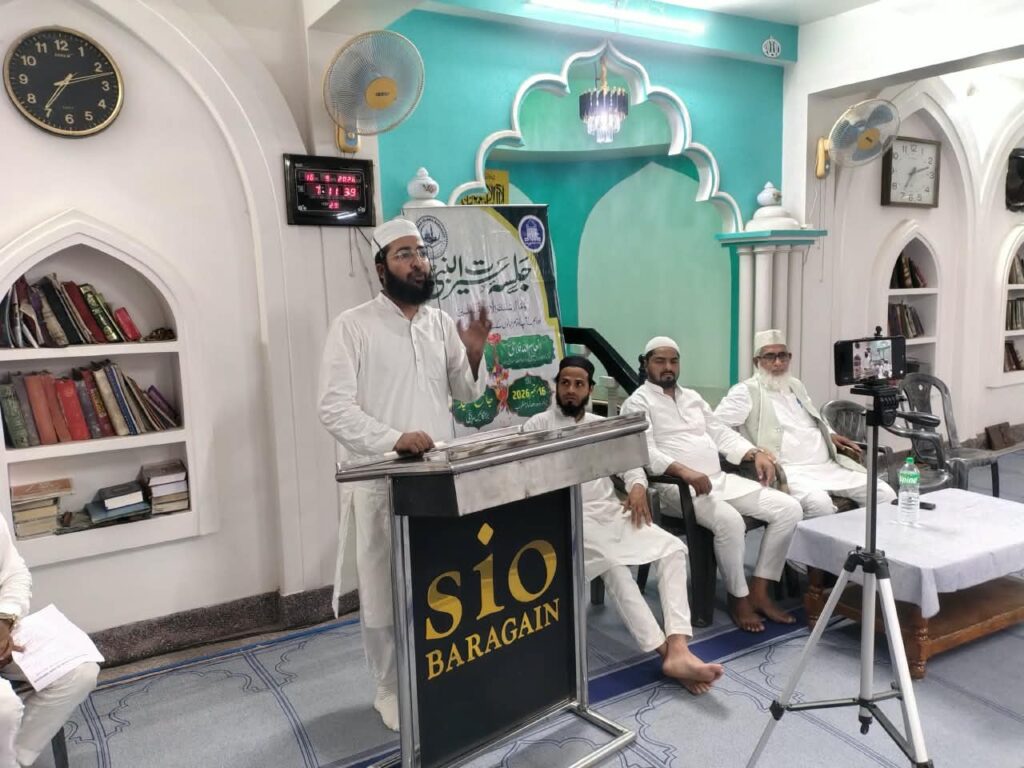
In Mandla, the team reviewed the maktab operating at Takra Jama Masjid. Although it is at an initial stage, the students’ performance was found encouraging. The maktab has around 25 students and one female teacher. The team also attended the Jamaat’s weekly programme, where discussions focused on strengthening organisational awareness, promoting the study of the Quran, Hadith and Islamic literature, and ensuring regular monthly contributions to the Baitul Maal.
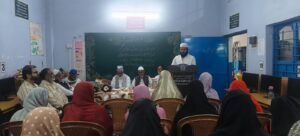
At the maktab in Kareli Jama Masjid, where around 40 students are enrolled, the team assessed the students’ learning levels and provided the teacher, Maulana Abdul Rashid Nadwi, with practical guidance and teaching exercises. A separate meeting with the mosque’s Imam, Hafiz Zaheer, and local office-bearers included discussions on the possibility of establishing a school in the area.
The team also visited Darsgah Iqra Higher Secondary School, Rankai, and reviewed the activities of the maktab operating on its campus. Interactions with teachers focused on improving classroom practices and strengthening the educational activities of the maktab.
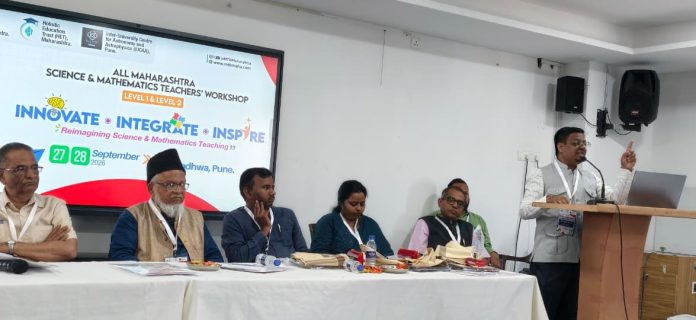
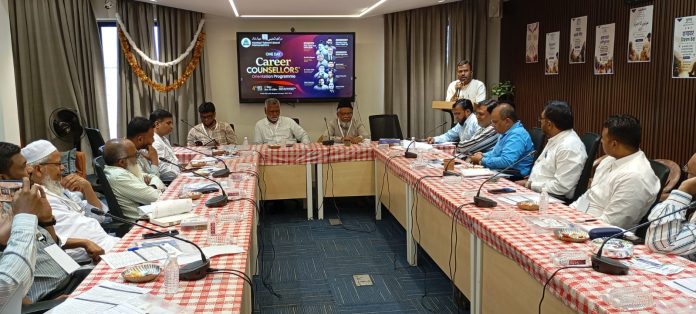
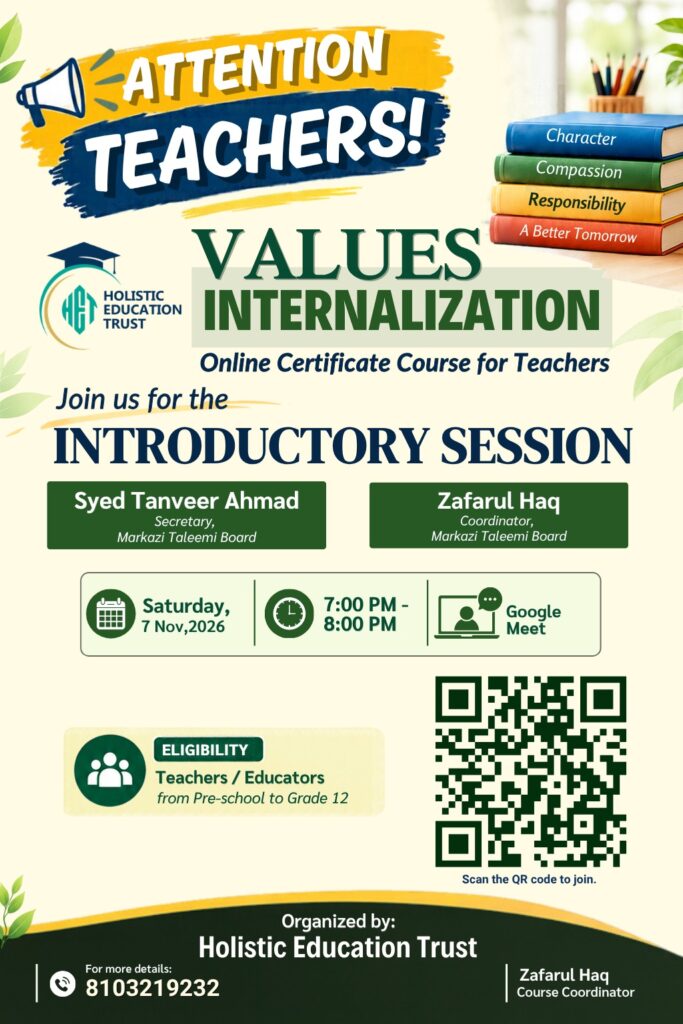
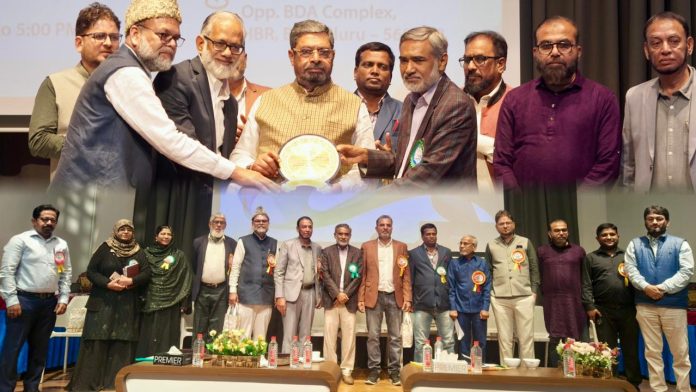
A teachers’ orientation and training workshop was organised at the Circle Office in Bhopal on November 1. Syed Tanveer Ahmad, Secretary, Markazi Taleemi Board, delivered the keynote address on “Introduction to Maktabs and Their Need”. Maulana Inamullah Falahi shared his observations from the visit and discussed possible solutions to the challenges faced by maktabs. He also provided practical guidance on the usefulness and distinctive features of the curriculum. Inamul Haque Qasmi spoke on the basic principles of teaching Islamic Studies and explained the resources available for organising and managing maktabs.
The workshop focused on enhancing teachers’ classroom skills, adopting effective teaching methods and improving the educational and character-building environment of maktabs. Practical and group-based teaching methods were demonstrated through classroom activities. Suggestions were also made to organise regular training programmes for children, encourage their participation and involve parents in these activities. Around 40 teachers and office-bearers from different parts of Madhya Pradesh attended the workshop. Muhammad Imtiaz, Assistant Ameer of the Circle, and Abdul Haq, Secretary of Education, were also present.
During the review, the team appreciated the efforts being made at various maktabs but also identified areas requiring further attention. These included addressing the shortage of textbooks, improving the teaching of Tajweed and correct pronunciation, and working towards the financial self-reliance of maktabs. Suggestions were also made to strengthen their administrative systems through proper admission forms, uniforms, textbooks, school bags and identity cards.
The visit concluded with an emphasis on regular monthly meetings of the Part-time Maktabs Committee to review progress, address emerging challenges and plan future activities. The interactions and training sessions were aimed at strengthening coordination among teachers and office-bearers and ensuring continuous improvement in the quality and functioning of part-time maktabs.